

 See My Latest Article on HelloNation

What role do banks play in financial health?
Banks help people manage money safely, plan for future needs, and handle everyday financial obligations. A checking or savings account is only one part of that role. Banks also provide tools for budgeting, saving, borrowing, protecting funds, and reviewing financial habits.
For residents of Rock Springs, WY, banking can be especially useful for managing irregular expenses. Housing costs, transportation, heating, weather-related repairs, and seasonal changes in household spending can all affect a monthly budget. A well-organized banking relationship helps turn those expenses into planned obligations rather than financial surprises.
How does a bank help with everyday money management?
A checking account gives households a central place to receive income and pay bills. Direct deposits, electronic payments, debit cards, checks, and account alerts can make routine transactions easier to track.
A bank account can also create a record of where money goes. Reviewing monthly transactions may reveal spending patterns that are difficult to notice otherwise, such as frequent convenience purchases, recurring subscriptions, or unusually high utility costs during colder periods.
Useful account-management habits include:
- Checking balances before making large purchases
- Reviewing transactions regularly for errors or unauthorized activity
- Setting alerts for low balances, deposits, withdrawals, and unusual purchases
- Keeping enough money available for scheduled bills
- Updating contact information so account notices are received promptly
- Recording automatic payments and their expected withdrawal dates
A checking account should not be treated as a complete budget. The account shows what has happened and what is currently available, while a budget helps decide what the money needs to accomplish next.
Why are savings accounts important?
Savings accounts provide a separate place for money that should not be used for routine spending. Separating savings from checking can reduce the temptation to spend funds reserved for emergencies, annual bills, or future goals.
An emergency fund is one of the most practical forms of financial protection. It can help cover an unexpected vehicle repair, temporary reduction in income, home maintenance, medical expense, or higher heating bill. The appropriate amount depends on income, household size, job stability, insurance coverage, and recurring obligations.
Savings can also be divided by purpose. A household might keep separate targets for:
- Emergency expenses
- Property taxes or insurance payments
- Vehicle repairs and registration
- Winter heating costs
- Travel or family events
- Education or a future home purchase
The purpose of separate savings categories is not to create unnecessary complexity. It is to make financial priorities visible and reduce the chance that money set aside for one need is spent on another.
How do banks support responsible borrowing?
Banks may offer loans and credit products for needs such as a vehicle, home purchase, education, or major repair. Borrowing can be useful, but it creates a long-term obligation that should be evaluated against income and other debts.
Before accepting a loan, borrowers should understand:
- The total amount financed
- The interest rate and whether it can change
- The length of repayment
- The monthly payment
- Fees or penalties
- The total amount paid over the life of the loan
- What happens if a payment is missed
A payment that fits the current budget may become difficult if income changes, insurance costs rise, or another major expense occurs. Looking only at the monthly payment can hide the full cost of borrowing.
Credit cards and lines of credit also require careful attention. Paying only the minimum amount may keep an account current while allowing interest costs to grow. A strong credit history generally depends on paying on time, keeping balances manageable, and applying for new credit selectively.
Can a bank help improve financial security?
Banks provide safeguards, but account security also depends on individual habits. Financial institutions typically use passwords, verification procedures, transaction monitoring, and other controls, yet no system eliminates every risk.
Residents should be cautious with unexpected messages requesting account information, urgent payments, verification codes, or transfers. A legitimate-looking message can still be fraudulent. Account holders should avoid sharing passwords or one-time security codes and should review transactions promptly.
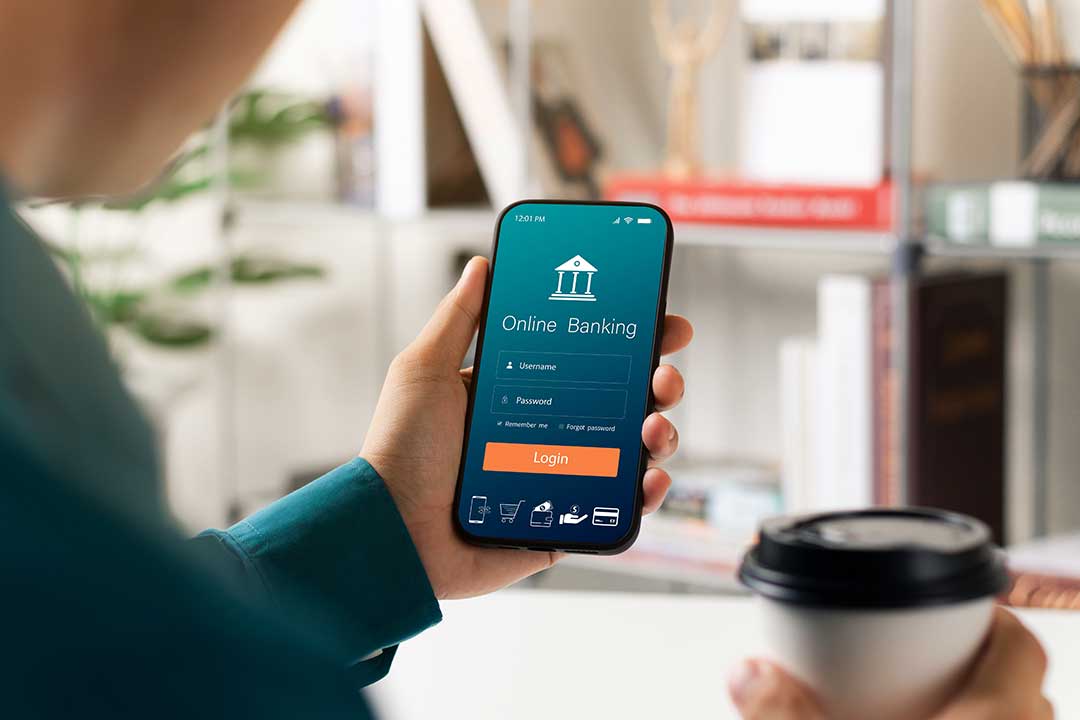
Additional protective practices include:
- Using unique passwords for financial accounts
- Enabling multifactor authentication when available
- Avoiding banking activity on unsecured public networks
- Keeping devices and banking applications updated
- Reporting suspicious transactions quickly
- Shredding documents that contain account or personal information
Deposit insurance may protect eligible deposits at an insured bank up to applicable legal limits. Deposit insurance does not protect against investment losses, identity theft, poor budgeting, or every type of financial product. Understanding what is and is not protected is part of making informed decisions.
What banking fees should households watch?
Fees can quietly reduce available funds, especially when an account balance is already tight. Common charges may involve monthly maintenance, overdrafts, out-of-network cash withdrawals, wire transfers, returned payments, or certain account services.
Fee schedules vary by account and institution. Reading the account agreement and current disclosures can clarify how charges are triggered and whether alternatives exist.
A useful review asks:
- Which fees have appeared during the past several months?
- Are any services being paid for but rarely used?
- Could account alerts help prevent avoidable charges?
- Are automatic payments scheduled too close together?
- Is money being transferred between accounts often enough to create confusion?
Avoiding fees is not only about finding a lower-cost account. It is also about matching account features to actual habits and maintaining enough available funds for known obligations.
How can banking support long-term planning?
Banks can help organize longer-term goals through savings tools, automatic transfers, certificates of deposit, and other deposit products. The right choice depends on how soon the money may be needed and whether access to the funds is important.
Money needed for an emergency generally belongs in an accessible account. Funds that will not be needed for a defined period may be suitable for an account with restrictions or a fixed term, provided the account holder understands withdrawal rules and potential penalties.
Long-term planning should also include beneficiaries, account ownership, and regularly updated personal information. Life changes such as marriage, divorce, the birth of a child, a job change, or the death of an account owner can affect how accounts should be organized.
How often should someone review their banking setup?
A brief review every few months can help keep banking aligned with current needs. A more detailed review is useful after a major change in income, housing, employment, family responsibilities, or debt.
During a review, compare account balances with upcoming bills, check savings progress, examine fees, confirm automatic payments, and look for transactions that do not seem familiar. This process can identify problems early and make financial decisions more deliberate.
A bank cannot replace a household budget or guarantee financial stability. Its most valuable role is providing a secure structure for managing money, building reserves, borrowing carefully, and noticing changes before they become larger problems.